
Moving your aquarium? Don’t risk it.
Fish tank relocations are one of the most complex and high-risk tasks in the hobby. One wrong move, literally, can crack a tank, crash your biological cycle, or cost you an ecosystem you’ve spent years building. Our professional relocation service takes that risk off your plate entirely.
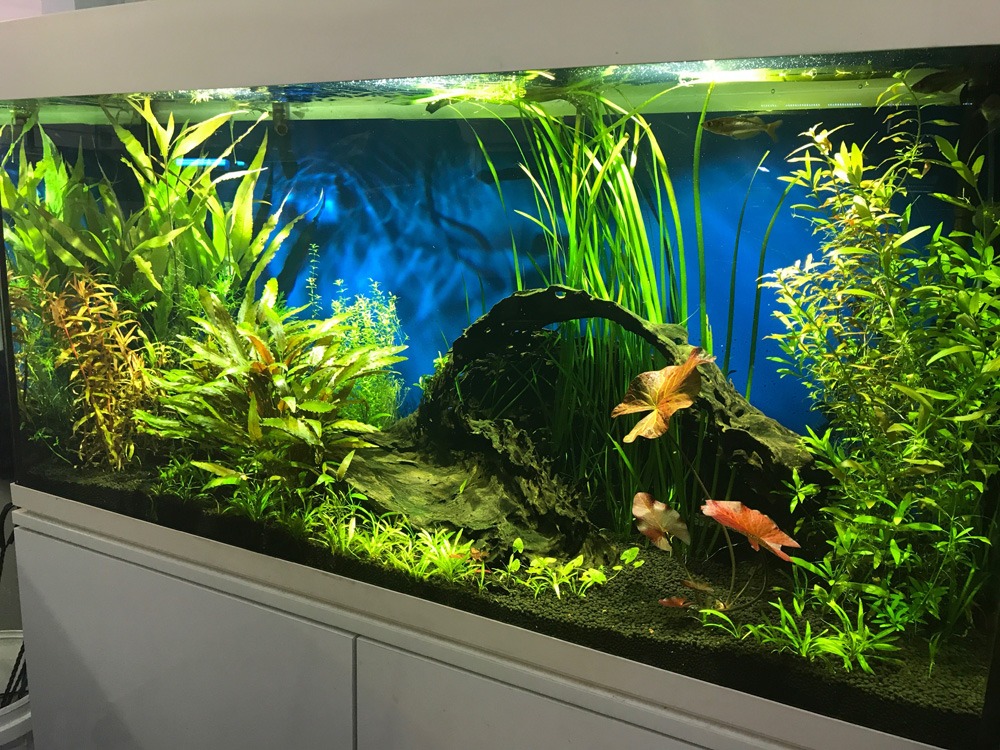
Preserving Your Biological Cycle
This is the most biologically critical aspect of any aquarium relocation, and the area where most DIY moves go wrong.
How We Handle Your Relocation
At Aquarium Solutions, we manage every aspect of your relocation from start to finish:
Full pre-move assessment of the tank, livestock, and destination space
Structural suitability check for the new location
Safe drainage, livestock collection, and equipment breakdown
Professional transport with appropriate padding and securing
Destination setup, filter restart, and parameter testing
Post-move monitoring visit to confirm everything is stable
We take the guesswork out of what is genuinely a complex process, and give you the confidence that your tank, and the life inside it, is in safe hands.
Planning to move house or office?
Call us to discuss the best way to relocate your aquarium safely.
Whether it’s a small freshwater tank or a large reef system, we’ll make sure your relocation goes smoothly. Get in touch for a free consultation and quote.
Call us on 0401 319 575 or contact our friendly team today for a quote
Aquarium Relocation FAQs
How far in advance should I plan an aquarium relocation?
For a large or complex system, we recommend getting in touch at least two to three weeks before your planned move date. This gives us time to assess the tank, plan the logistics, prepare any materials, and schedule the right team size.
Can I move my aquarium myself?
Small tanks under 100 litres can generally be moved with care by an experienced hobbyist. Anything larger, particularly marine or reef systems, carries significant risk if not handled correctly. The cost of a professional relocation is considerably less than replacing cracked glass, lost creatures, or a crashed biological cycle.
Will my fish survive the move?
In the vast majority of cases, yes, provided the move is planned properly and executed quickly. The key risks are temperature fluctuation, oxygen deprivation, and ammonia spikes after the move. We manage all of these as part of our service.
My tank has been in the same spot for years. Is that a problem?
Long-established tanks often have deep sand beds and mature live rock, both of which require careful handling to avoid hydrogen sulphide release and bacterial die-off. We’ll assess this during the pre-move consultation and plan the safest approach.